 McKinney Texas Windows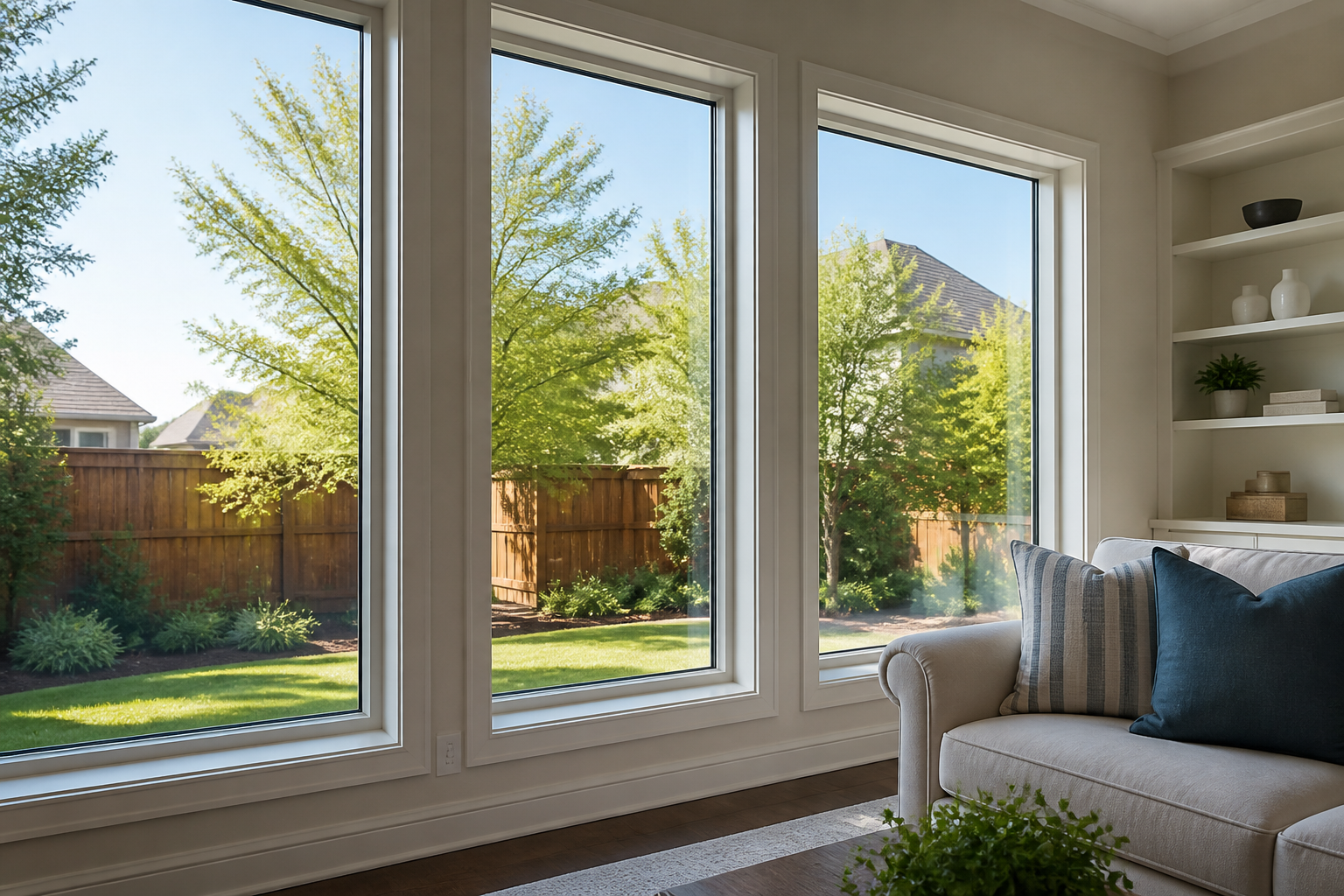
What Makes a Window Energy Efficient
Several factors contribute to a window's energy performance, including the number of glass panes, the presence of low-emissivity (low-E) coatings, the type of gas fill between panes such as argon, and the insulating properties of the frame material. Proper installation with correct sealing and insulation around the frame is just as important as the window itself in achieving efficient performance.
Glass and Coating Options
Low-E coatings reflect infrared light while allowing visible light through, helping reduce heat gain in summer and heat loss in winter. Double-pane and triple-pane configurations add additional insulating layers, with gas fills like argon further reducing heat transfer between panes. The right combination depends on window orientation, sun exposure, and the specific comfort goals for each room.
Frame Materials and Their Impact on Efficiency
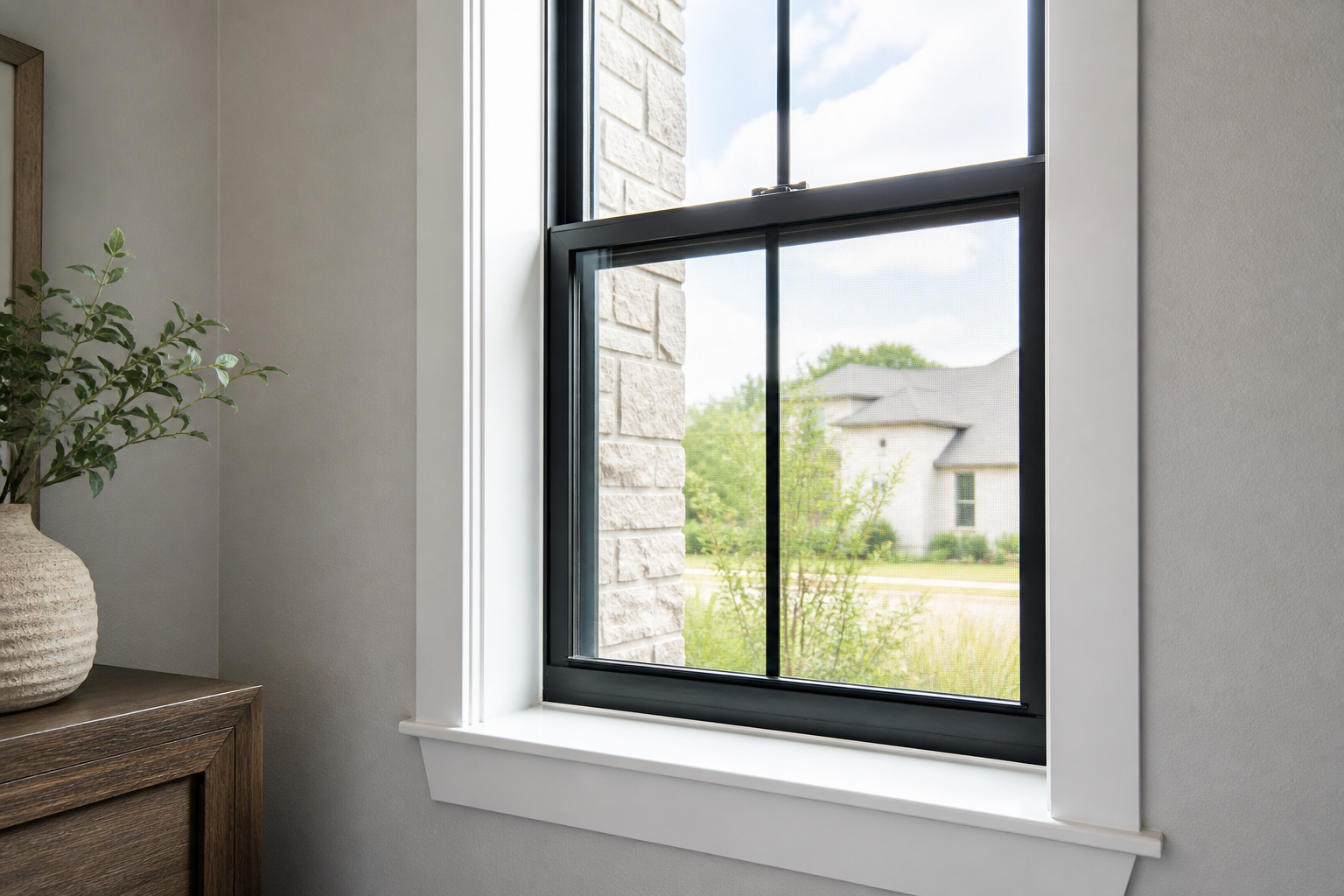
Frame material affects both insulation and durability. Vinyl frames are widely used for their insulating properties and low maintenance, while fiberglass frames offer strength and stability with good thermal performance. Wood frames provide natural insulation but require more upkeep, and aluminum frames, while durable, generally conduct more heat unless thermally broken.
Evaluating Your Current Windows
Before recommending an upgrade, we assess your existing windows for drafts, condensation, and seal condition. Older single-pane windows or units with failed seals are common candidates for energy-efficient replacement, particularly in rooms that feel noticeably hotter or colder than the rest of the building.
Installation Considerations for Performance
Even a high-performance window will underperform if installed poorly. Proper flashing, insulation around the frame, and quality sealant application are essential to prevent air and moisture infiltration. We follow manufacturer specifications and best practices during installation to help the window perform as designed.
Planning an Energy-Efficient Upgrade
Some property owners replace all windows in a building at once, while others prioritize windows on the sunniest or most exposed sides of the structure first. We can help plan a phased approach based on which areas would benefit most from improved insulation and glass performance.
Related Services
Energy-efficient upgrades often go hand in hand with window replacement projects, and can be incorporated into new window installation for both residential and commercial properties in McKinney, TX. If only certain components like weatherstripping are causing inefficiency, window repair may address the issue without full replacement.
Frequently asked questions
What is the difference between double-pane and triple-pane windows?
Triple-pane windows have an additional layer of glass and insulating gas compared to double-pane units, offering more insulation but also added weight and cost. The right choice depends on your specific insulation goals.
Do energy-efficient windows require special maintenance?
Most energy-efficient windows require the same basic care as standard windows, such as cleaning glass and checking seals and weatherstripping periodically for wear.
Can I upgrade just a few windows instead of all of them?
Yes, many property owners start with the windows that experience the most sun exposure or noticeable drafts, then upgrade others over time as needed.